Our Amazon SEO service is a complete system — strategy, execution, and reporting all in one place.
High-volume, high-converting search terms identified using Amazon's own algorithm signals.
Titles, bullet points, descriptions, and search terms rewritten to rank and convert.
Hidden keyword fields and subject matter fields fully optimised to maximise index coverage.
Enhanced Brand Content designed to reduce bounce rates and increase conversion on detail pages.
Legitimate review generation strategies using Amazon's Vine programme and follow-up sequences.
Monthly tracking of keyword rankings, BSR movement, and organic session growth by ASIN.
Refined across 300+ client engagements. You know what's happening at every step and why.
Every ASIN reviewed for keyword coverage, content quality, image compliance, and A+ eligibility.
High-volume search terms mapped to each ASIN with priority placement in titles and bullet points.
Titles, bullets, descriptions, backend keywords, and A+ content rewritten and published.
Monthly BSR and keyword rank tracking with ongoing optimisation based on search term report data.
We combine senior specialist expertise with AI tools to surface faster insights and outperform agencies still working manually.
You own every account, asset, and piece of data we create. No black boxes. Full access, always.
Our team holds Google's own certifications and meets ongoing performance benchmarks — not just a badge on a website.
Every strategy decision is tied to traffic, leads, or revenue. We care about what moves your bottom line — not vanity metrics.
One senior point of contact who knows your business inside-out. No account hand-offs, no junior-only teams.
Month-to-month on every service. We earn your business every month through results — not through long-term contracts.
Amazon’s search algorithm — known as A9, with iterative updates collectively referred to as A10 — determines which products appear in search results and in what order. Unlike Google, which weighs hundreds of signals including links, authority, and user behaviour, Amazon’s algorithm is focused on one thing: which listing is most likely to result in a purchase. This makes Amazon SEO simultaneously simpler and more commercial than Google SEO — every signal either relates to relevance (does this product match what the customer searched?) or performance (does this listing convert browsers into buyers?).
Understanding this duality is the foundation of effective Amazon SEO. You cannot rank well on Amazon with a keyword-stuffed listing that does not convert. You cannot convert without ranking. The two goals must be pursued simultaneously.
Amazon keyword research uses different tools than Google SEO. We use Helium 10 (Magnet, Cerebro) and Jungle Scout to identify the exact search terms shoppers use on Amazon for your product category. This includes primary high-volume keywords (e.g., “wireless earbuds noise cancelling”), secondary long-tail variations (“wireless earbuds for running waterproof”), and competitor keywords — terms that send traffic to your top competitors’ listings but where you are not currently present. We prioritise by search volume, relevance, and the estimated difficulty of ranking for each term.
The product title is the most important ranking field in the Amazon algorithm. It must include your primary keywords — particularly in the first 80 characters that display on mobile — while remaining human-readable and persuasive. Amazon penalises keyword stuffing, so the art is including the highest-value keywords in a structure that reads naturally. A well-optimised title for a protein powder might read: “Optimum Nutrition Whey Protein Powder — Chocolate Fudge, 2.27kg — 73 Servings, 24g Protein per Serve, Low Sugar.”
Five bullet points, each beginning with a capitalised feature or benefit. Bullets should naturally incorporate secondary keywords while addressing the buyer’s key questions: What does it do? What is it made of? Who is it for? What problem does it solve? What makes it better than the alternative? Keyword density in bullets contributes to search ranking, but conversion is the primary goal — bullets that convince a reader to buy also signal relevance to the algorithm through improved click-through and conversion rates.
Amazon provides a backend field (not visible to shoppers) where you can include additional search terms — up to 250 bytes. We populate this with keyword variations, misspellings, related terms, and multilingual variants that would be awkward in the visible listing but are valuable for algorithm indexation. Proper backend keyword management can meaningfully extend your listing’s search visibility without cluttering your customer-facing copy.
A+ Content (formerly Enhanced Brand Content) is available to Brand Registry members and replaces the plain text product description with rich media modules: lifestyle imagery, comparison charts, brand story sections, and feature highlights. A+ content does not directly improve search ranking, but it consistently improves conversion rate by 5-15%, which in turn improves your performance signals and ranking over time. It is one of the highest-ROI activities for any Amazon seller with Brand Registry access.
Amazon does not rank listings based solely on content quality. Performance metrics carry significant weight:
Review Count and Rating: Products with more reviews and higher average ratings convert better, and Amazon rewards conversion with visibility. Building a review base above 50 reviews with a rating of 4.0+ is a ranking prerequisite in competitive categories.
Sales Velocity: Amazon’s algorithm rewards products that sell consistently. A sudden increase in sales (from external traffic, promotions, or PPC) can trigger ranking improvements. Conversely, a drop in sales velocity will cause rankings to decline.
Click-Through Rate: If your listing appears in search results but shoppers consistently choose other products to click, Amazon interprets this as a relevance signal against you. Thumbnail image quality, price competitiveness, and review star rating displayed in search results all affect CTR.
Return Rate: High return rates signal product quality issues and negatively impact ranking. Accurate listing content that sets correct expectations reduces returns.
Google SEO is a long game built on content depth, backlink authority, and domain history — results typically take 3-6 months minimum. Amazon SEO is faster to move but more commercially dependent — rankings respond to sales performance within days or weeks. A new listing with zero reviews requires PPC investment to generate initial sales velocity and reviews, which then enable organic ranking improvement. The interplay between paid and organic is tighter on Amazon than on Google.
For new listings with no review history, expect 60-90 days of PPC-supported growth before organic rankings stabilise. Existing listings with review bases can see meaningful ranking improvements within 30 days of on-listing optimisation. We report on keyword ranking positions, organic impressions, click-through rate, and conversion rate monthly to track progress.
Contact MH Tech Solutions for a free Amazon listing audit — we will identify the specific gaps costing you organic visibility and sales.
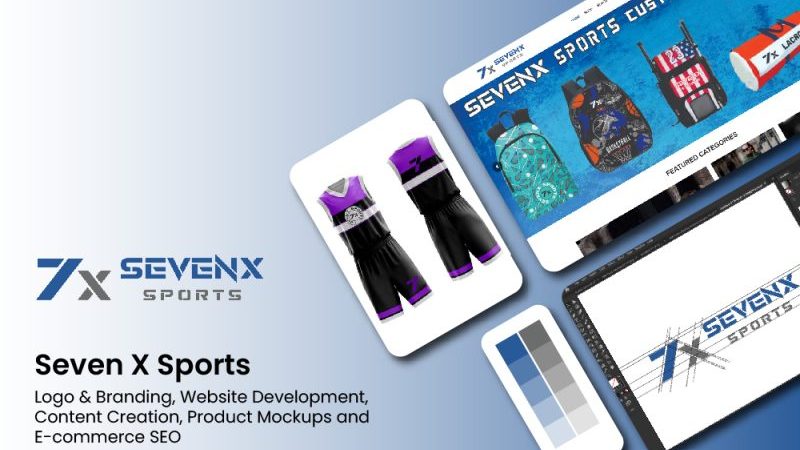 Ecommerce
  Ecommerce
 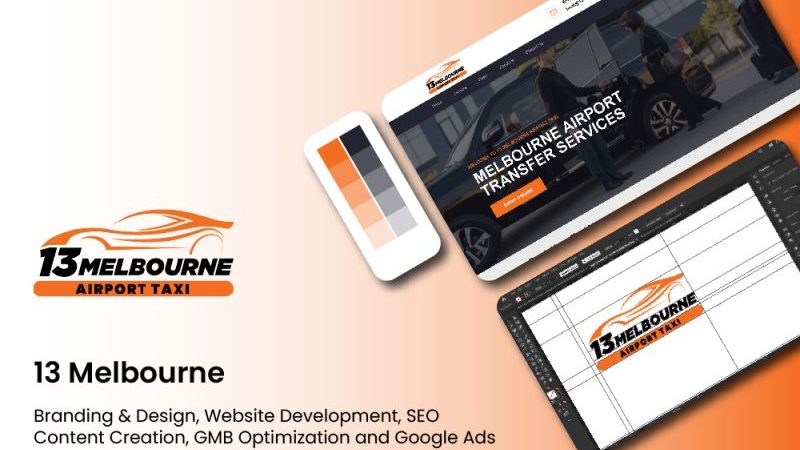 Transport
 Real results from real clients. Here's what businesses say after working with MH Tech Solutions.
No. Every service we offer runs on a month-to-month basis with 30 days notice to pause or cancel. We earn your continued business by delivering results, not by trapping you in a contract. You are free to leave at any time.
You own everything: your website, Google Ads account, social profiles, email lists, and any content we produce. Full administrative access is yours from day one. If you ever stop working with us, every asset stays with you and we remove our access promptly.
Google Partner status is verified directly by Google and requires our team to pass ongoing certification exams, maintain a minimum managed spend threshold, and demonstrate strong account performance. It is not a paid badge and it is not self-awarded.
We use AI tools across research, content strategy, campaign optimisation, and lead capture automation to surface insights faster and execute more efficiently than agencies working manually. AI is a tool our specialists direct. It does not replace the strategic thinking or hands-on work your account requires.
Fill in our free proposal form and we will review your situation within 24 hours. We will send a clear strategy with transparent pricing based on your specific goals. There is no sales pressure and no obligation to proceed.
No sales pitch. No fluff. Just an honest look at your digital presence and a clear plan to grow it — free, with no obligation.